
In the complex interplay of automotive components, certain elements stand out for their critical role in ensuring not just the smooth operation of a vehicle but, more importantly, the safety of its occupants. One such component that often operates behind the scenes yet plays a pivotal role in steering precision and overall stability is the tie rod end assembly. In this comprehensive exploration, we delve into the intricacies of tie rod end assemblies, examining their functions, significance in vehicle safety, and the technological advancements shaping their design.
Understanding the Tie Rod End Assembly
Anatomy and Functionality
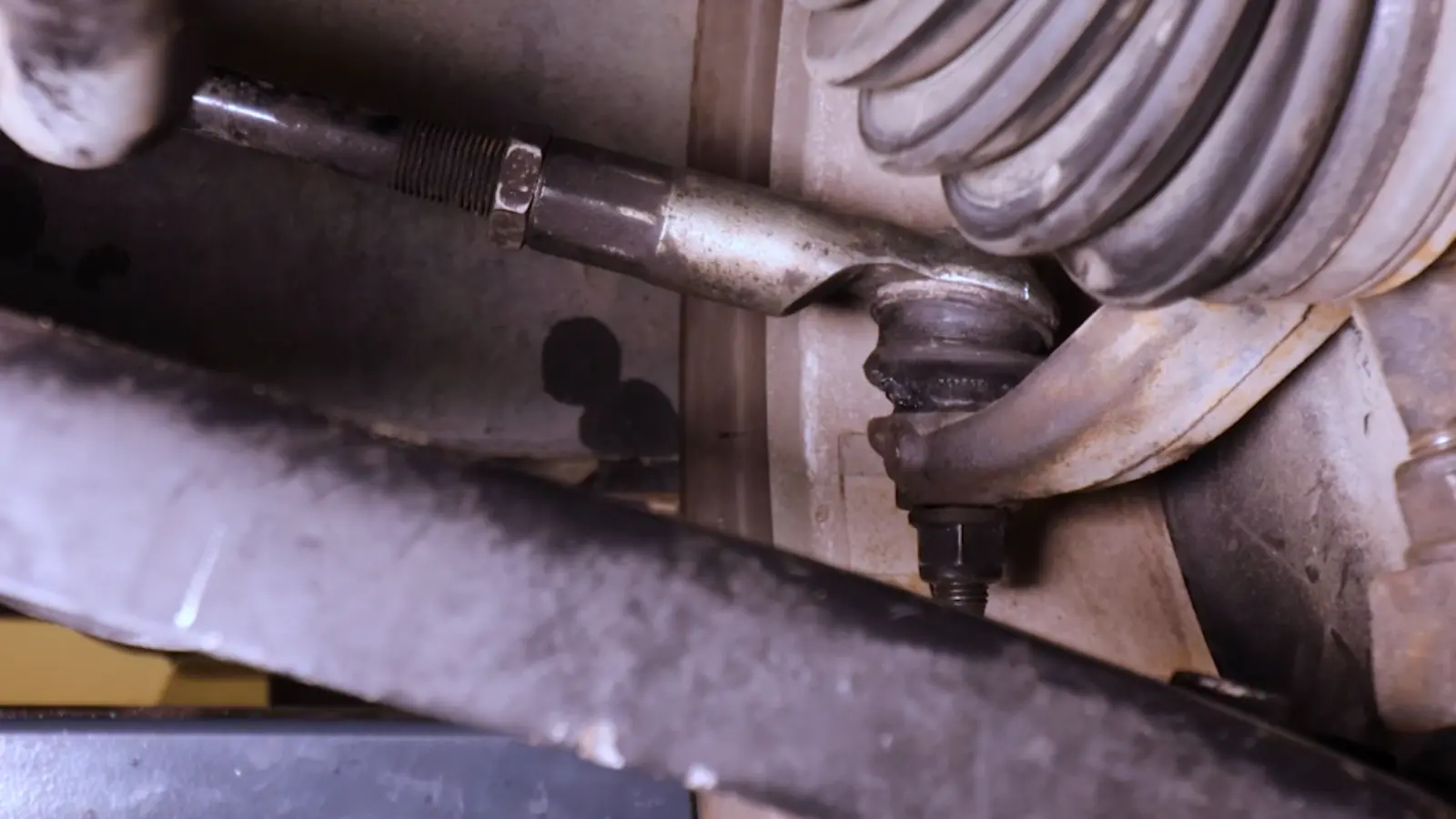
Before delving into the safety implications, it is essential to understand the anatomy and functionality of the tie rod end assembly. Situated in the steering linkage, the tie rod end serves as the crucial link between the steering system and the wheels. Its primary function is to facilitate the transmission of steering input from the driver to the wheels, allowing for controlled and precise directional changes.
The tie rod end assembly consists of various components, including the tie rod, tie rod end, and associated hardware. The tie rod connects the steering gear to the steering knuckle on each wheel. The tie rod end, on the other hand, acts as the connection point between the tie rod and the wheel. This intricate linkage is responsible for translating the rotational movement of the steering gear into linear movement at the wheels.
Precision in Steering Dynamics
The tie rod end assembly plays a pivotal role in maintaining optimal steering dynamics. Any wear or play in this assembly can result in undesirable effects such as imprecise steering, excessive play in the steering wheel, and difficulty maintaining proper alignment. These issues not only compromise the vehicle’s handling but can pose serious safety risks, especially during emergency maneuvers.
Significance in Vehicle Safety
Impact on Steering Stability
One of the primary reasons tie rod end assemblies are integral to vehicle safety lies in their impact on steering stability. A well-maintained and properly functioning tie rod end assembly ensures that the driver maintains precise control over the vehicle’s direction. In contrast, a compromised or faulty assembly can lead to unpredictable steering behavior, increasing the likelihood of accidents, particularly in high-speed or emergency situations.
Prevention of Understeer and Oversteer
Understeer and oversteer are terms used to describe the handling characteristics of a vehicle. Understeer occurs when the front wheels lose traction during a turn, causing the vehicle to drift wide of the intended path. Oversteer, conversely, happens when the rear wheels lose traction, causing the vehicle to turn more sharply than intended.
Tie rod end assemblies play a crucial role in preventing these handling issues. By maintaining the proper alignment and connection between the steering components and the wheels, the tie rod end assembly contributes to balanced and predictable handling. This is particularly important in adverse driving conditions or sudden evasive maneuvers, where the stability of the vehicle is paramount to avoiding accidents.

Alignment and Tire Wear
Beyond immediate safety concerns, tie rod end assemblies also impact the long-term safety and performance of a vehicle. Proper alignment, facilitated by a well-functioning tie rod end assembly, ensures that all four wheels are pointing in the same direction. This not only enhances steering precision but also promotes tire wear.
Uneven tire wear can compromise traction and handling, leading to decreased vehicle stability. In the worst-case scenario, it can result in tire blowouts, especially at high speeds. The tie rod end assembly, by contributing to proper wheel alignment, indirectly plays a crucial role in mitigating these risks and enhancing overall road safety.
Technological Advancements in Tie Rod End Assembly
Materials and Durability
As automotive technology advances, so do the design and materials used in tie rod end assemblies. Traditionally made of steel, modern assemblies may incorporate materials such as aluminum or composite materials to reduce weight while maintaining strength and durability. The use of advanced materials contributes to the improved longevity and reliability of tie rod end assemblies, reducing the likelihood of premature wear or failure.
Sealed and Greaseless Designs
Early-tie rod end assemblies often required regular greasing to maintain optimal functionality. However, modern advancements include sealed and greaseless designs that eliminate the need for frequent maintenance. Sealed designs protect the internal components from contaminants, ensuring a longer lifespan and reducing the risk of failure due to environmental factors.
Enhanced Tolerance and Precision
Precision engineering is paramount in tie rod end assembly design. Manufacturers utilize advanced machining techniques to achieve tight tolerances, minimizing play and wear. Enhanced precision not only contributes to improved steering responsiveness but also ensures the longevity and reliability of the assembly, reinforcing its role in vehicle safety.
Maintenance and Inspection Practices
Given the critical role of tie rod end assemblies in vehicle safety, routine maintenance and inspection are imperative. Vehicle owners and technicians should adhere to manufacturer-recommended service intervals and conduct thorough inspections during regular maintenance checks. Signs of wear, such as excessive play in the steering wheel, clunking noises, or uneven tire wear, should prompt immediate attention to prevent potential safety hazards.
Conclusion
In conclusion, the tie rod end assembly is a seemingly humble yet indispensable component in ensuring the safety and stability of a vehicle. Its impact on steering dynamics, prevention of handling issues, and contribution to proper alignment highlight its crucial role in overall road safety. As technology continues to evolve, so too will the design and materials used in tie rod end assemblies, further enhancing their durability and reliability.
To prioritize safety on the road, both manufacturers and vehicle owners must recognize the significance of tie rod end assemblies and commit to regular maintenance and inspection practices. By doing so, we can collectively contribute to a safer and more secure driving experience for all road users.